

Travel to War Tourism Destinations
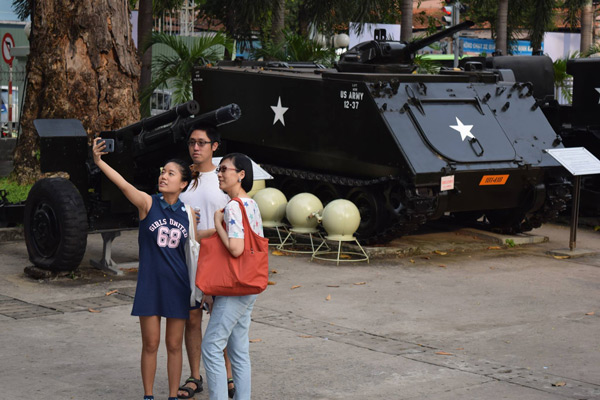
The Iran-Iraq military conflict began on 22 September 1980 and lasted for eight years. Each year, the anniversary of the war as a part of Iran’s history and identity is commemorated in the country during a week entitled “The Sacred Defense Week”. In a broad sense, war is unpleasant but it has formed social and cultural identity in many countries across the world. The importance of war has also led to the creation of a type of tourism based on nostalgic, tragic, or honorable memories and feelings. War tourism refers to travel to former war zones where various tangible and intangible memories, events, and more broadly, the resistance spirit (e.g., ruins and relics, museums, libraries, peace parks, ceremonies, martyred soldiers) are highlighted. This type of tourism could be regarded as a straightforward way to develop tourism in the regions that have experienced war in the past. For example, France, Germany, Belgium, Turkey, England, Japan, Russia, and Vietnam are among the countries that have revived war memories by establishing relevant infrastructures such as war museums in the former battlefields using up-to-date technology.
War tourism in Iran has a history of around two decades. Western provinces of the country such as Khuzestan located on the border between Iran and Iraq have more potential for war tourism than other parts of the country. Even today, more than 30 years after this eight-year tragic event as the second-longest war of the 20th-century after the Vietnam War, one can find traces and pieces of evidence of war in these provinces. Annually, a large number of Iranians make a visit to these regions during “The Sacred Week of Defense” in the form of organized groups entitled “the passengers of light”. It should be noted that safety and security are of salient importance for war tourism if it is going to be developed in a region.
Apart from keeping live the values of sacred defense, war tourism can combat deprivation and immigration from undeveloped regions to megacities by contributing to local economic, social and cultural development, and job creation. Importantly, war tourism destinations of Iran have historical, cultural, and natural capacities that can be taped to attract foreign tourists as well.
0 comments